
In industrial production, a special type of steel tool is often chosen to ensure the service life and machining accuracy of tools. Tool steel is a material specially designed to cope with working environments characterized by high stress, high wear, and temperature variations. Below, we will explain what tool steel is, how it differs from ordinary steel, and how to select and apply this type of material in the practical industry.
Silver Alloy Explained: Definition, Types, and Practical Applications
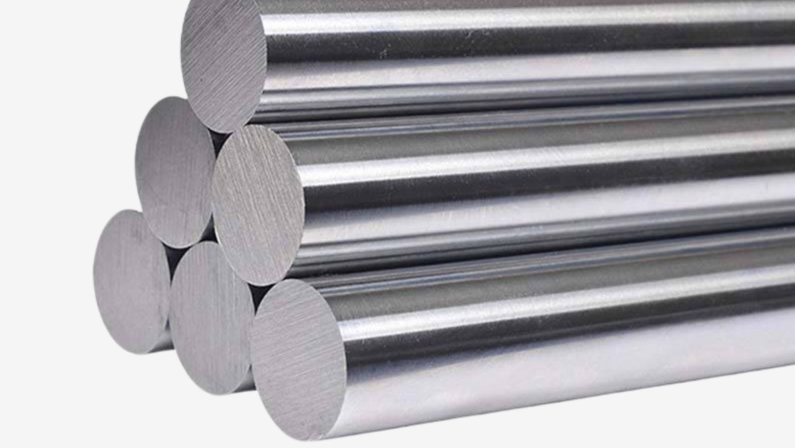
Tool steel is a grade of steel manufactured for making tools, dies, and cutting parts. Unlike regular structural steel, its priority is not mere strength or weight but steady and reliable performance over time. For this, tool steel is engineered to feature the following properties:
Hardness
Tools need to remain sharp or fixed in shape during use, and the hardness of the steel directly affects its ability to resist wear.
Wear Resistance
The friction generated when machining materials causes gradual wear on the surface of the tool. If the steel is not sufficiently resistant to wear, the tool will wear out quickly, resulting in a shorter service life.
Thermal Stability
Tool temperatures tend to rise during machining. If the hardness of the steel decreases at high temperatures, the performance of the tool will be reduced, and even the machining accuracy will be affected.
To achieve these properties, tool steels usually contain a high carbon content and are alloyed with elements such as chromium, molybdenum, vanadium, and tungsten. These elements help to enhance the steel’s hardness, wear resistance, and stabilize the material properties through heat treatment. Unheat-treated tool steel is difficult to perform as designed, so processes such as hardening and tempering are generally required before use to ensure that the tool can operate reliably under real-world working conditions.
Why Tool Steel Is Different from Ordinary Steel
Ordinary carbon or alloy steels cannot be used directly to manufacture tools, mainly because their performance is designed to be fundamentally different from that of tool steels.
Ordinary carbon steel is mainly used for carrying structures or manufacturing general mechanical parts, and its hardness and wear resistance are limited. If used in high friction, high-temperature, or frequent impact of the working environments, carbon steel is prone to wear and deformation, unable to maintain the dimensional accuracy and shape stability of the tool for a long time.
Although the hardness of common alloy steel is higher thanthat of carbon steel, most alloy steels are designed for structural components, and their toughness and thermal stability are usually insufficient to cope with the long-term use of tools in repeated machining or high-temperature conditions.
Tool steels are designed specifically for the environment in which the tool is to be used. They are optimized for a balance of hardness, wear resistance, and toughness, and are able to be heat-treated to maintain stable properties. This enables tool steels to achieve long-term reliability under intense, repetitive operating conditions.
Therefore, the choice of tool steel is not an option, but an essential prerequisite for ensuring tool life and machining reliability. If ordinary steel is used, the initial cost may be lower, but the overall cost is higher in the long run due to rapid tool wear and frequent downtime for maintenance.