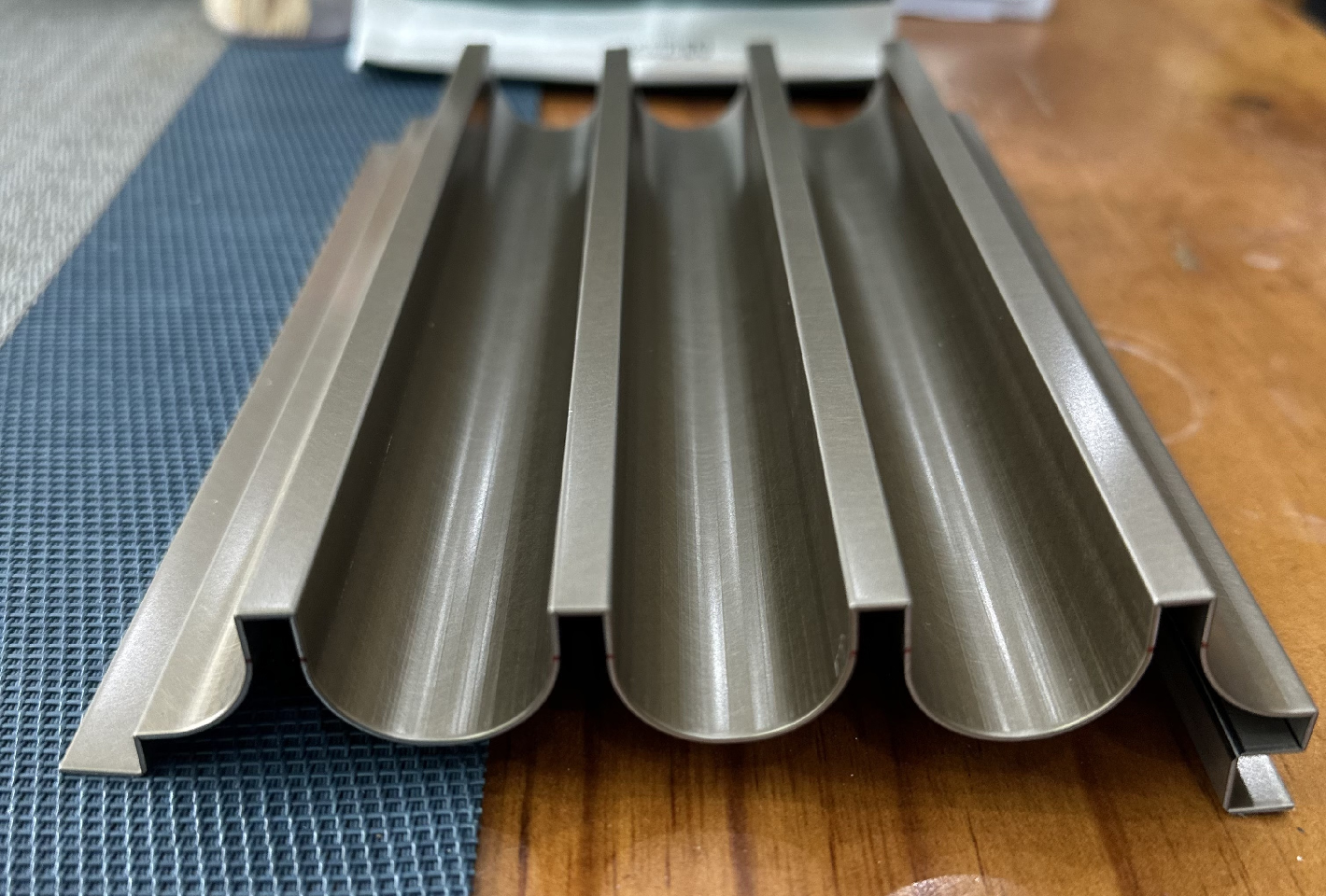
Sheet Metal Bending: The Precision Art of Transforming Flat Designs into 3D Reality
In the modern manufacturing landscape, sheet metal bending is more than just a technical process; it is an art form that transforms flat metal sheets into precise, three-dimensional structures. From complex aerospace components to everyday electronics enclosures, bending plays a pivotal role in creating high-quality, functional parts.
What is Sheet Metal Bending?
Sheet metal bending is a process where force is applied to a sheet of metal to induce plastic deformation. Using a CNC Press Brake, operators can precisely bend metal sheets to specific angles required by the design. While it may appear straightforward, this operation involves a complex synergy of materials science, mechanical calculation, and high-precision machinery.
Why Choose Zehan Fab for Your Bending Needs?
At www.zehanfab.com, we understand that quality is rooted in meticulous attention to detail. Here are our core strengths in the bending process:
Springback Compensation: Metals possess elasticity, which causes “springback” after bending. We utilize advanced CNC systems and seasoned expertise in adjusting process parameters to ensure every angle is accurate.
Material Adaptability: Whether working with aluminum alloys, stainless steel, or cold-rolled steel, we tailor our process to the specific ductility of each material to prevent cracks or stress damage at the bend line.
Complex Shape Forming: With the support of multi-axis CNC press brakes, we are capable of executing multi-bend, irregular, and highly complex structural parts to fully satisfy custom requirements.
Efficiency Meets Precision: We are committed to optimizing our production workflows to ensure high precision while shortening lead times for your projects.
Key Factors in the Bending Process
To ensure your product designs are production-ready, we recommend considering the following points during the design phase:
Minimum Bend Radius: Proper corner radius design not only prevents material damage but also enhances the overall rigidity of the component.
Bend Deduction: We precisely calculate the flat pattern dimensions based on material thickness and bend angles, ensuring that the final formed part matches your exact specifications.
Relief Notch Design: Incorporating relief notches near the bending area can effectively reduce material compression and deformation during the bending process.