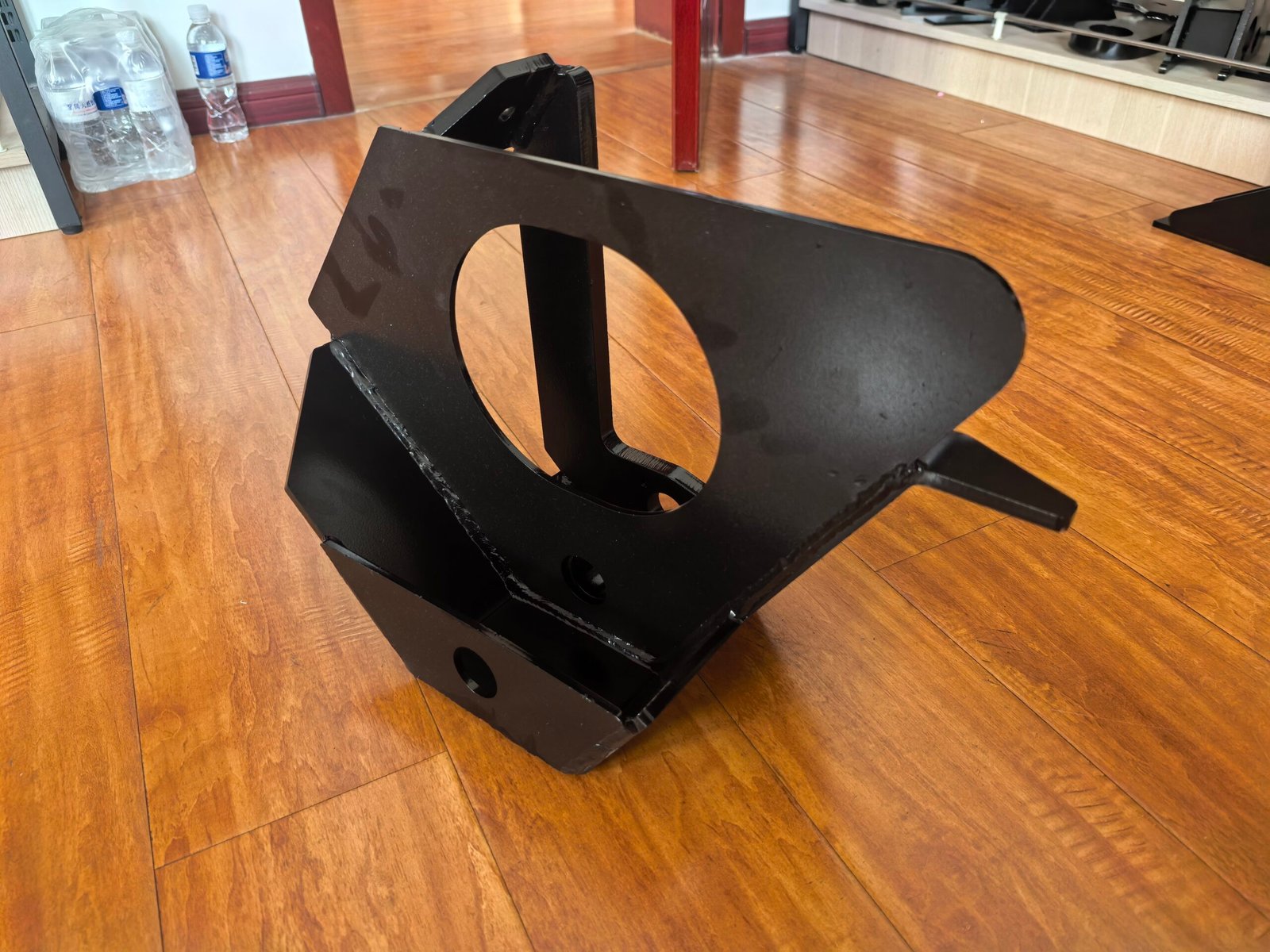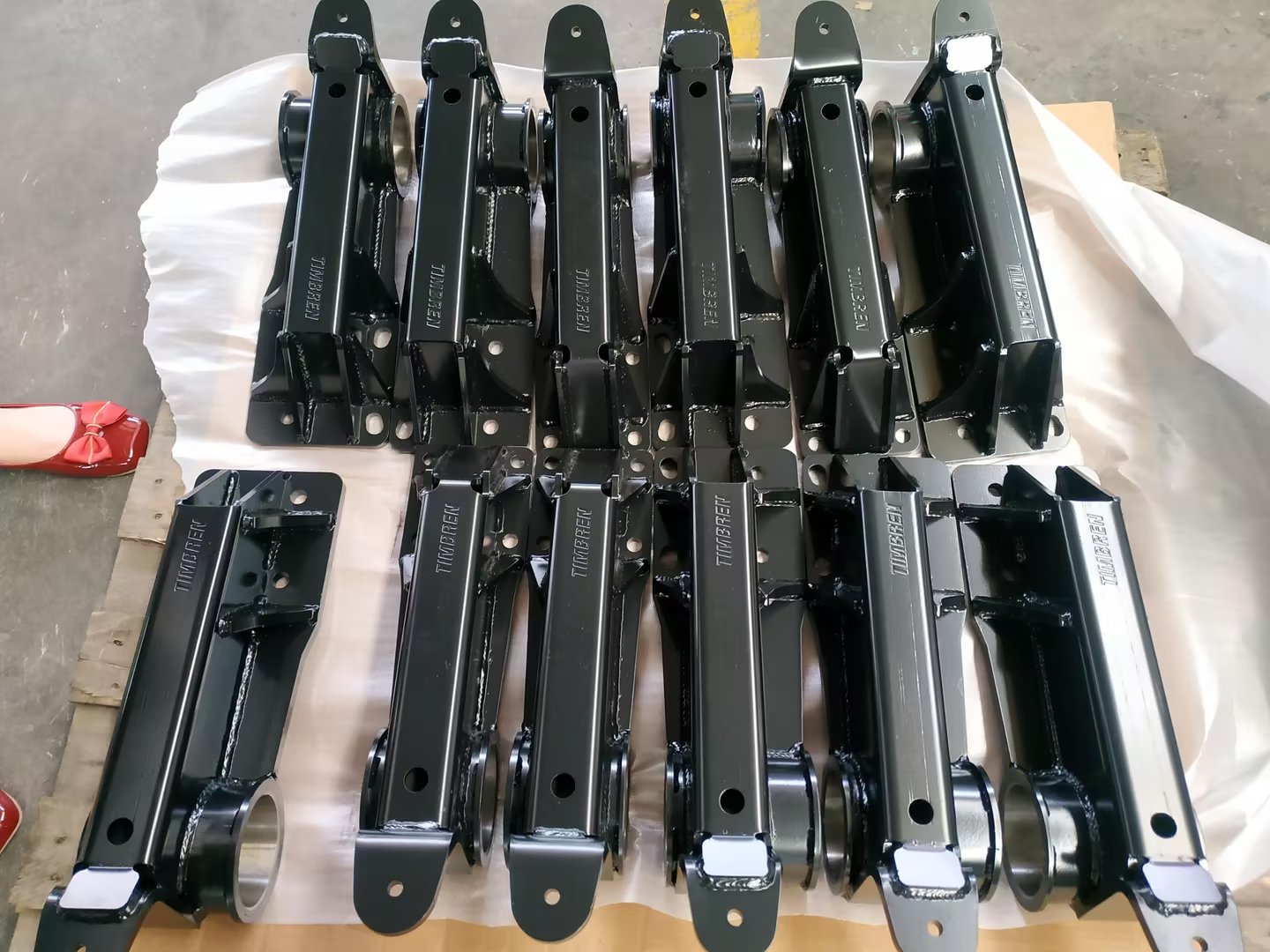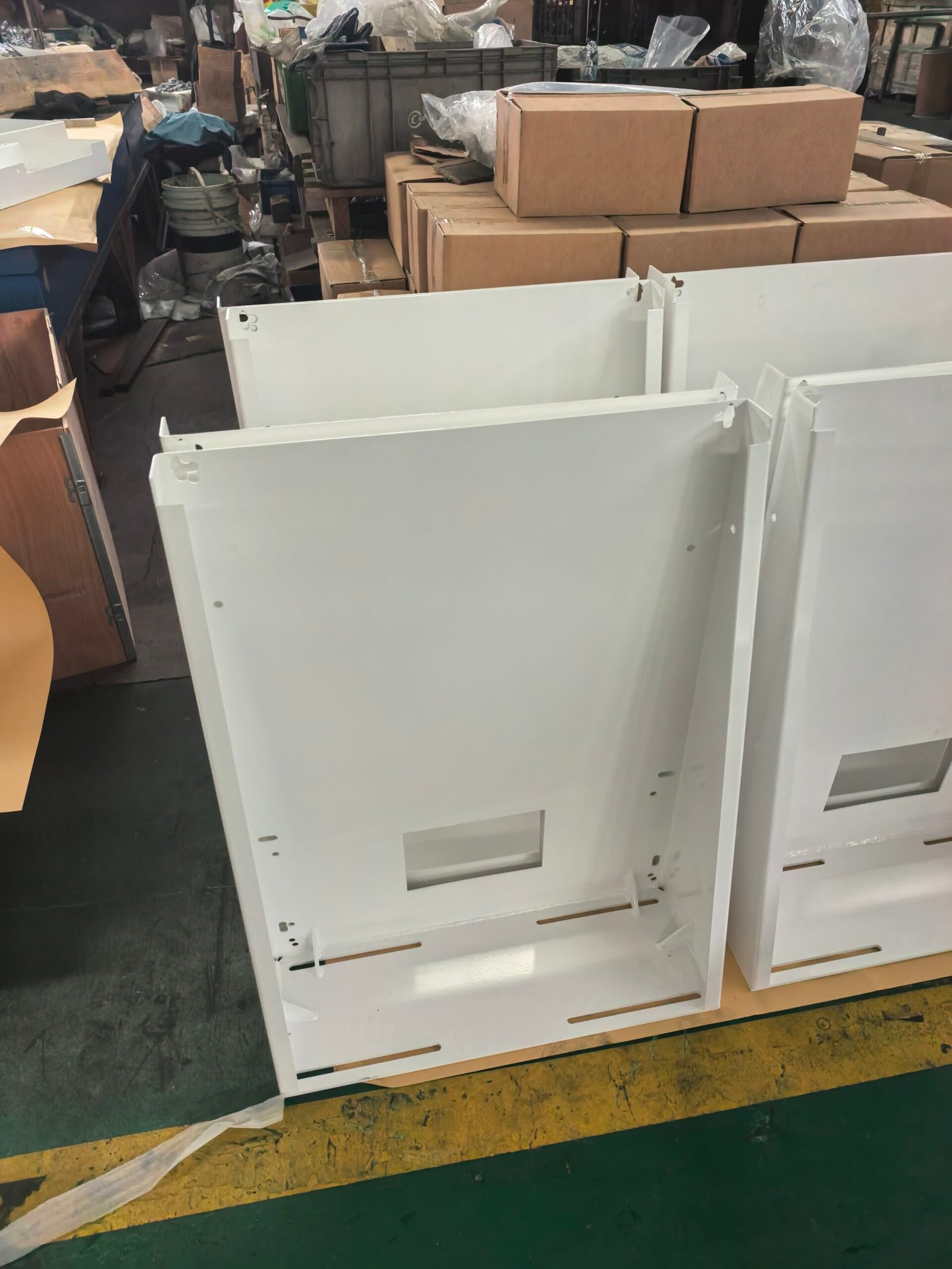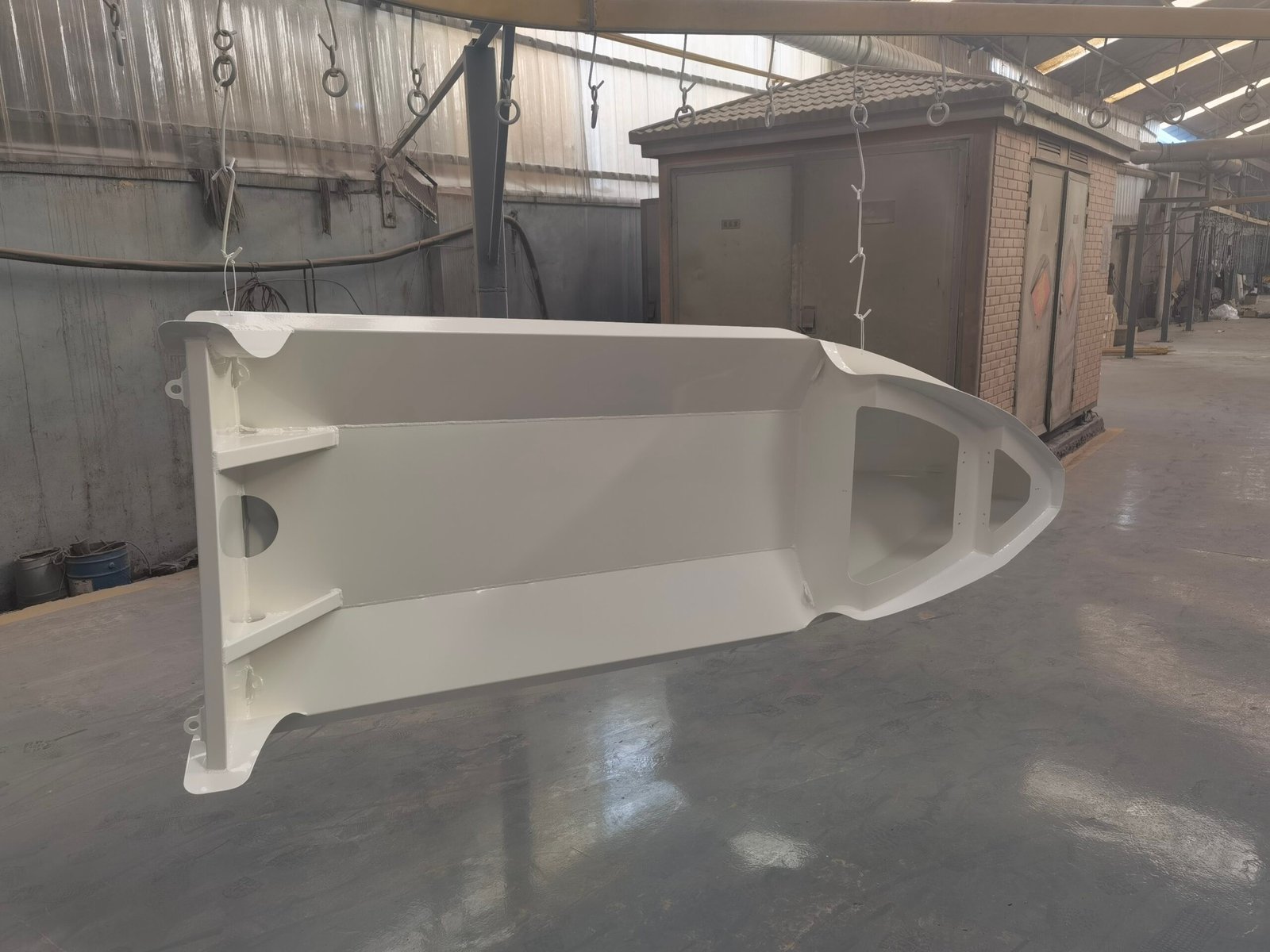
In the world of metal manufacturing, whether you are utilizing precision sheet metal fabrication or high-efficiency metal stamping, raw parts rarely meet final functional and aesthetic requirements straight off the production line. To improve corrosion resistance, enhance wear properties, upgrade visual appeal, or impart specific electrical/thermal traits, surface treatment is an indispensable final step.
In this article, we will take a deep dive into the most popular metal surface treatment processes and explore how to select the optimal solution for your next project.
I. Why is Surface Treatment So Important?
Freshly machined metal parts (such as cold-rolled steel, stainless steel, aluminum, or brass) typically feature surface oils, burrs, or mill scale, making them highly susceptible to rust and oxidation. A quality surface finish delivers four core advantages:
Corrosion Resistance: Acts as a barrier against moisture and air, significantly extending product lifespans.
Aesthetic Upgrade: Offers rich color choices and tactile textures (matte, glossy, brushed), enhancing overall product value.
Functional Improvement: Increases surface hardness, wear resistance, insulation, or electrical conductivity.
Hiding Fabrication Marks: Effectively covers scratches, minor blemishes, and press marks from stamping or bending.
II. Overview of Common Metal Surface Treatment Processes
Depending on the substrate material and application scenario, here are the most widely used finishing methods:
1. Powder Coating
Suitable Materials: Cold-rolled steel, galvanized steel, aluminum alloys, etc.
Characteristics: Thermosetting plastic powder is electrostatically sprayed and thermally cured. It provides a thick, highly durable, impact-resistant, eco-friendly coat with an extensive color range.
Typical Applications: Electronic enclosures, outdoor equipment brackets, industrial panels.
2. Anodizing
Suitable Materials: Exclusive to aluminum and aluminum alloys.
Characteristics: Uses an electrochemical process to grow a dense aluminum oxide protective layer. It drastically improves wear and corrosion resistance while allowing vibrant dyeing (black, clear, gold, titanium, etc.) while preserving the metal’s native brushed or sandblasted texture.
Typical Applications: Consumer electronics housings, heat sinks, aerospace structural components.
3. Electroplating (Zinc, Nickel, Chrome Plating)
Suitable Materials: Steel, iron, copper.
Characteristics: Electrolytically deposits a thin protective metal layer. Zinc plating offers the best cost-to-performance ratio for rust prevention, while nickel/chrome plating delivers a mirror-like shine and extreme scratch resistance.
Typical Applications: Automotive stamped components, precision hardware, springs, electrical contacts.
4. Wet Painting
Suitable Materials: Various metals.
Characteristics: Compared to powder coating, liquid paint layers can be applied much thinner and smoother. It is ideal for custom color matching or large, complex structural parts.
Typical Applications: Medical equipment chassis, high-end customized enclosures.
5. Passivation & Pickling
Suitable Materials: Stainless steel.
Characteristics: Removes welding scale, heat tint, and free iron, prompting stainless steel to naturally form a protective chromium-oxide passive film that maximizes corrosion resistance.
Typical Applications: Food processing machinery, medical devices, chemical equipment sheet metal.
III. How to Choose the Right Finish for Your Project
When deciding on a surface treatment, consider the following key dimensions:
Operating Environment: Is the product meant for indoor dry use or outdoor deployment (exposed to salt spray and UV rays)? Outdoor environments typically demand powder coating or hot-dip galvanizing.
Substrate Material: Aluminum suits anodizing, stainless steel suits passivation/brushing, and standard steel works best with coatings or plating.
Budget: Standard zinc plating and basic powder coatings are budget-friendly; specialized hard-coat anodizing or multi-layer finishes carry higher costs.
Aesthetic Intent: Do you require a rugged industrial texture, a subdued matte look, or a high-gloss mirror finish?
Conclusion
Surface treatment is much more than just a “coat of paint”—it is a critical factor that defines product quality and longevity. At Zehanfab, we leverage extensive expertise in sheet metal fabrication and metal stamping, backed by a robust supply chain for custom finishes. We help bring your designs to life with a seamless, one-stop manufacturing experience from laser cutting and stamping to advanced finishing.
If you are looking for a reliable precision manufacturing partner, visit www.zehanfab.com to connect with our team and request a professional project review and quote today!